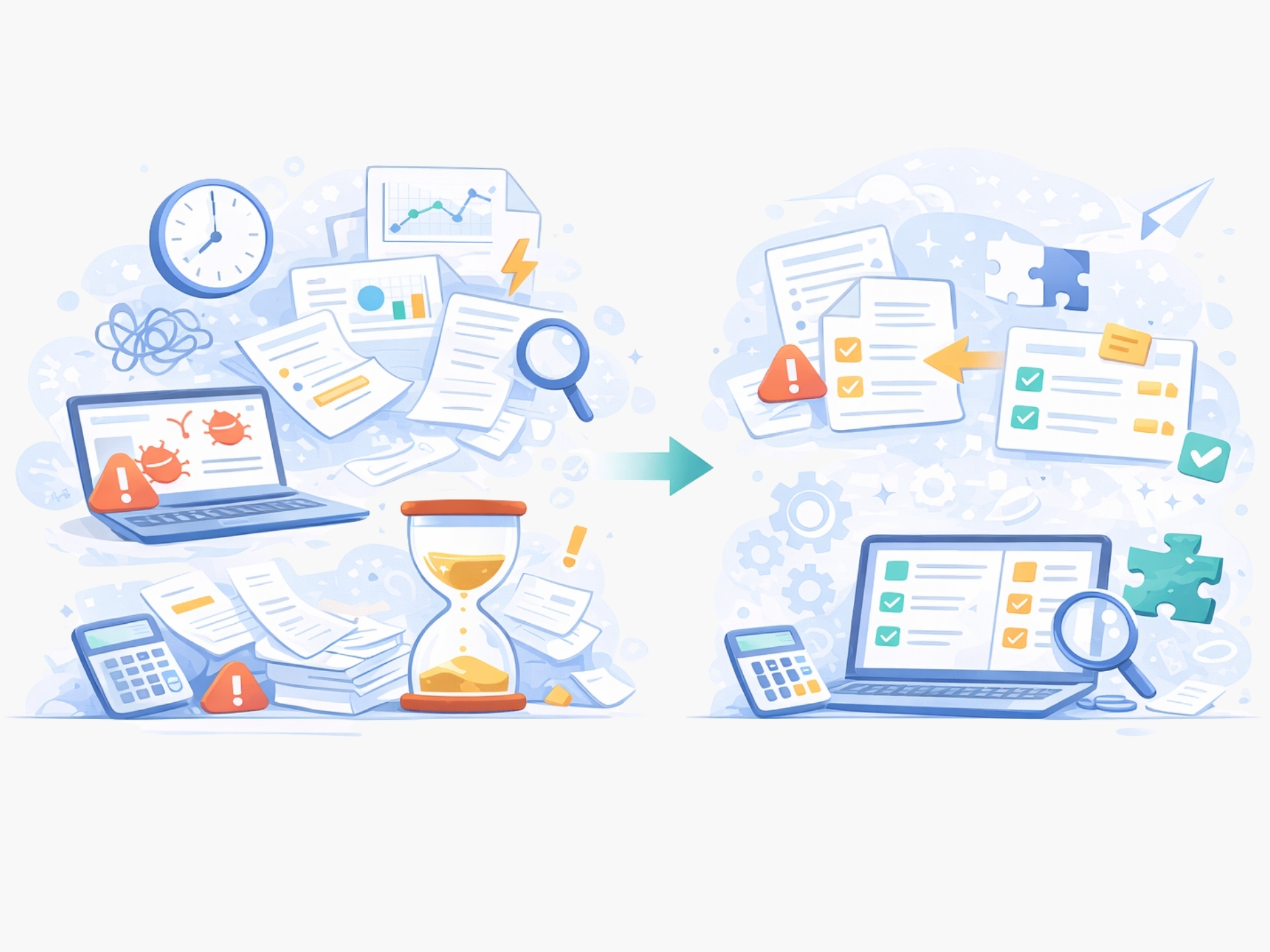
Creating a software proposal is often where the excitement of a new project meets the harsh reality of administrative work. You have a great idea and a willing client, but between that and the first line of code lies a minefield of spreadsheets, documents, and endless email chains. This process is not just tedious; it’s filled with challenges that can cost your agency time, money, and even the project itself.
From time-consuming manual entry to the risk of critical errors, the traditional way of building proposals is broken. The good news is that you don’t have to keep struggling with outdated methods. AI-powered tools like Storywise are designed to solve these exact problems, transforming your workflow from a source of friction into a competitive advantage.
Let’s explore the five biggest challenges in proposal creation and see how a smarter approach can solve them for good.
1. The Challenge: It Takes Too Much Time
You know the scenario. A client sends a vague brief, and your team spends the next day or two manually transcribing (or letting AI transcribe) notes, writing user stories from scratch, and formatting everything into a presentable document. This is unbillable time that drains your most valuable resource: the expertise of your senior team members. Every hour a project manager or developer spends on proposal admin is an hour they aren’t managing a live project or writing code.
This inefficiency not only slows down your sales cycle but also puts you at a competitive disadvantage. While you’re bogged down in manual tasks, another agency could swoop in with a faster, more professional offer.
How Storywise Solves It: AI-Driven Automation
Storywise tackles the time drain head-on by automating the most repetitive parts of proposal creation. Instead of manually parsing documents, you can import raw input—like a PDF brief, meeting notes, or even a Figma file—directly into the platform.
The AI gets to work immediately, analyzing the text and suggesting structured requirements, epics, and user stories. A task that once took hours of manual writing is reduced to a few minutes of reviewing and refining AI-generated drafts. This shift from “writer” to “editor” allows your team to produce detailed, high-quality proposals in a fraction of the time, freeing them to focus on high-value strategic work.
2. The Challenge: Manual Work Leads to Errors
Relying on Word and Excel for complex software proposals is asking for trouble. Copying requirements, calculating costs, and ensuring every dependency is noted are all manual steps where human error can creep in. A simple typo in a spreadsheet can lead to a significant miscalculation, threatening your project’s budget before it even starts.
These errors create risk and undermine trust. An inaccurate estimate can damage your profitability, while a missed requirement can lead to scope creep and client disputes down the road.
How Storywise Solves It: Structure and Accuracy
Storywise replaces error-prone manual entry with a structured, data-driven system. Every requirement, feature, and estimate is a data object, not just text in a document. This structured environment virtually eliminates the risk of manual miscalculations.
When you create different versions of an offer, the tool automatically calculates the cost differences, ensuring accuracy every time. Because all requirements are organized and traceable, the risk of overlooking a critical detail is significantly reduced. This built-in accuracy protects your profit margins and gives you the confidence to stand behind your estimates.
3. The Challenge: Lack of Clarity and Consistency
When every team member creates proposals their own way, the results are inconsistent. One proposal might be a 20-page document, while another is a simple spreadsheet. This lack of a standard format makes it difficult for clients—and even your own team—to compare and understand the offers.
Key details get buried in long paragraphs, and the technical language can be confusing for non-technical stakeholders. This ambiguity often leads to misunderstandings about what is included in the scope, creating friction and mismatched expectations later on.
How Storywise Solves It: Standardized Data and Professional Exports
Storywise enforces consistency by building all proposals from the same structured blocks, like epics and user stories. This ensures that every offer you create is clear, organized, and easy to understand.
When you’re ready to present your proposal, you can export your structured data into a polished Word or PDF document with a single click. Instead of a messy spreadsheet, your client receives a professional, readable document that clearly outlines the scope, features, and costs. This clarity builds trust and signals to the client that your agency is organized and professional.
4. The Challenge: Comparing Options is Difficult
Offering clients different options, like a basic MVP versus a premium version, is a great sales strategy. However, managing and comparing these versions with traditional tools is a nightmare. You end up with multiple files (Proposal_v1.docx, Proposal_v2_premium.docx), and trying to spot the differences is a tedious manual task.
This makes it hard to clearly communicate the trade-offs to the client. Explaining how adding or removing certain features impacts the budget and scope becomes a confusing exercise, which can slow down the decision-making process.
How Storywise Solves It: Effortless Side-by-Side Comparisons
One of the most powerful features of Storywise is its side-by-side comparison view. You can create multiple versions or releases of a project within the tool and toggle between them instantly. The platform automatically highlights the differences, showing you exactly which features have been added or removed and how those changes affect the overall cost.
This feature makes it incredibly simple to present options to a client. They can see the functional and financial differences at a glance, empowering them to make an informed decision quickly. This transparency accelerates the sales cycle and positions you as a helpful consultant, not just a vendor.
5. The Challenge: A Disconnect Between Sales and Development
The final challenge is perhaps the most damaging. A proposal created in Word or Excel is a static, dead-end document. Once the client signs off, the approved scope must be manually transferred into a project management tool like Jira. This handoff is where crucial details and context are often lost.
The development team receives a backlog of tasks without understanding the original business goals behind them. This disconnect between the sales promise and the development reality leads to rework, delays, and a final product that may not fully meet the client’s expectations.
How Storywise Solves It: Seamless Project Management Integration
Storywise bridges the gap between the proposal and the project. Once an offer is approved, you can sync the structured data—including epics, user stories, and acceptance criteria—directly into your team’s project management tool.
This seamless integration ensures a perfect handoff. The development team starts with a clean, organized backlog where every task is traceable back to its origin. The context is preserved, and there is no gap between what was promised and what gets built. This connected workflow ensures projects start on the right foot and deliver on their promises.
Ready to Create Faster, More Accurate Proposals?
Stop letting outdated tools slow you down. By leveraging AI-driven automation, structured data, and seamless integrations, you can overcome the biggest challenges in proposal creation.
Discover how Storywise can help your team eliminate manual work, ensure clarity, and win more deals. Try Storywise today and transform your proposal process.